Drug Testing in the Workplace and Addressing Employee Modifications and Their Implications
January 19, 2026 · RC Team
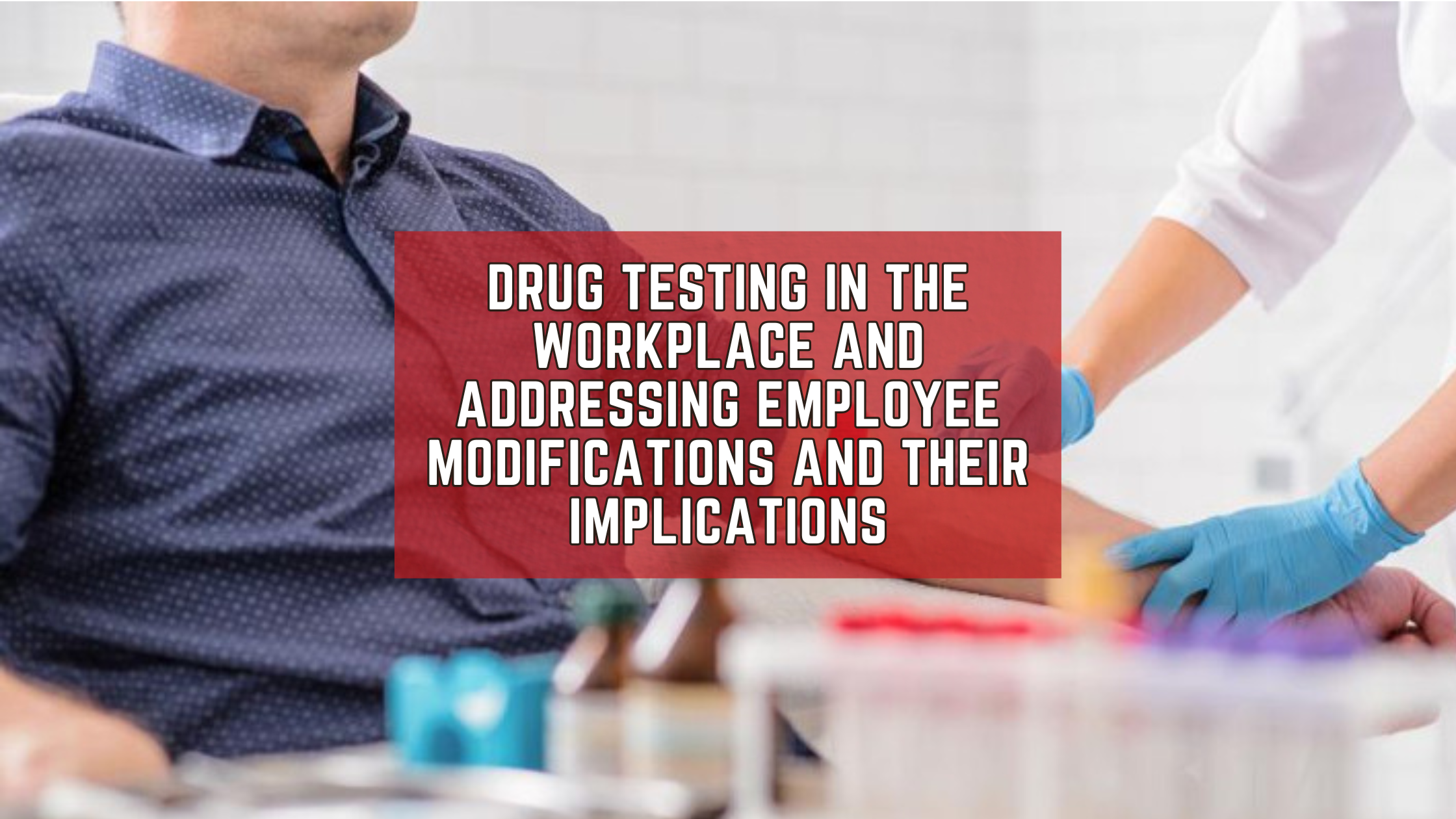
In today's evolving workplace landscape, drug testing has emerged as a critical component of employee management and organizational integrity. As businesses strive to maintain a safe and productive environment, the implementation of drug testing policies serves as both a preventive measure against substance abuse and a means to uphold compliance with industry regulations. However, the increasing prevalence of medical marijuana use, prescription medications, and the rise of modified employee behaviors pose complex challenges for employers. Addressing employee modifications, such as the use of legal substances, raises important questions about privacy, discrimination, and the overall impact on workplace dynamics.
This article will explore the multifaceted implications of drug testing in the workplace, delving into the legal and ethical considerations that organizations must navigate. We will examine the balance between ensuring a drug-free workplace and respecting employees’ rights, highlighting best practices for implementing testing protocols that are both fair and effective. By understanding the nuances of drug testing policies and their interaction with employee modifications, organizations can foster a healthier workplace culture while safeguarding their operational integrity.The Truth About False Negatives: Cheating Drug Tests, Addiction, and Detection
The Deceptive Psychology of False Negatives
An employee attempting to obtain a false negative on a drug test is engaging in a complex form of deceit that extends beyond the workplace. This act of dishonesty affects the employer and colleagues who rely on a safe environment, but the deepest deception is often directed inward. The individual convinces themselves that manipulating a test result is a solution to their problem, rather than a symptom of it.
While it is understood that no one consciously decides to become dependent on drugs, the only reliable means of achieving negative results on drug tests is through genuine sobriety. Cheating the test does not cheat the biological reality of addiction or impairment. It merely postpones the inevitable consequences of substance abuse while adding the stress of potential discovery.The Slippery Slope to Dependency
What may start as a casual encounter for many, aimed at simply enhancing their mood or relieving stress, can quickly spiral into a distressing reality. The brain is highly adaptable and begins to rewire itself to accommodate the presence of foreign chemical agents. This process happens subtly, often without the user noticing the shift from "wanting" to "needing."
Once the brain mistakenly integrates the substance into its normal functioning, it begins to develop a physiological tolerance. This necessitates increasingly larger doses to attain the desired effects that were once achieved with smaller amounts. This escalation significantly heightens the risk of accidental overdose as the user chases the initial high.Understanding Withdrawal and Cravings
Furthermore, as addiction sets in, the body starts signaling distress through withdrawal symptoms when the substance is absent. These signals serve as a biological alarm system, demanding the substance to restore equilibrium. The fear of this physical and mental anguish becomes a primary driver of continued use.
As these symptoms manifest, discomfort intensifies and can occasionally become life-threatening, depending on the substance involved. In such dire circumstances, individuals often become desperate to “satisfy the craving” at any cost. This establishes a relentless cycle of addiction where the user is no longer getting high to feel good, but to feel normal.The Anxiety of the Upcoming Test
When an individual—be it a full-blown addict or a casual user—encounters the prospect of a mandatory drug test, panic often sets in. This anxiety is not just about losing a job; it is about the exposure of a secret life. The fear of judgment and financial ruin drives them to seek immediate loopholes.
This anxiety prompts them to scour the internet for methods to achieve a false negative, looking for miracles in forums and articles. It is undeniable that countless searches of this nature occur daily on engines like Google and Reddit. The volume of these search queries highlights a massive, hidden struggle within the workforce.The Myth of the "Clean" User
Many employees believe they can manage their usage carefully enough to pass tests without stopping completely. They calculate half-lives and detection windows with the precision of a chemist. However, individual metabolism varies wildly, making these calculations incredibly risky and often inaccurate.
The "clean" user myth falls apart when faced with the unpredictability of random testing protocols. There is no way to effectively prepare for a test that happens without warning. This constant state of readiness creates a low-level psychological stress that affects job performance.Progress in Urine Testing Technology
Employee drug testing methods have advanced significantly since their inception, evolving into a high-tech industry. In earlier times, simple immunoassays were the primary approach, and they were relatively easy to fool. Labs were looking for basic markers, and the equipment lacked the sensitivity to detect subtle manipulations.
Individuals discovered that consuming large amounts of water prior to testing could yield a negative result, and this information spread rapidly. This "dilution method" became the standard advice passed down through peers. It relied on the simple principle of lowering the concentration of drug metabolites below the testing cutoff.Why Water Loading Fails Today
Although this method is still frequently mentioned as a way to pass a urine test, it is no longer effective due to advancements in laboratory technology. Labs now automatically test the validity of the specimen before testing for drugs. They look for specific gravity and creatinine levels that fall within a normal human range.
Current lab equipment is vastly more sophisticated than in the past, capable of detecting the chemical profile of water-loaded urine. Consequently, those attempting to falsify test results by overhydrating risk producing urine samples with diluted creatinine levels. A sample that looks like water and chemically behaves like water will be flagged immediately.Understanding "Positive Dilute" Results
A "positive dilute" result indicates a diluted specimen that still tested positive for drugs despite the extra fluid. This is the worst-case scenario for the donor, as it proves drug use and an attempt to cover it up. The attempt to wash out the drugs failed to lower the concentration enough to pass.
Conversely, a "negative dilute" suggests no drugs were found, but the sample was too watery to be considered valid. Many employers treat both outcomes similarly to a positive result, as it suggests tampering. Policies may vary regarding retesting, but a negative dilute often places the employee under increased scrutiny.The Strategy of Adulteration
Hoping to consume just the right amount of liquid to evade a diluted result is far from the only strategy employed by those attempting to cheat drug tests. More desperate measures involve adding substances directly to the urine cup. This is known as adulteration and is a direct attack on the integrity of the test.
Common household chemicals like bleach, eye drops, or oxidizing agents are smuggled into the collection site. The goal is to chemically destroy the drug metabolites in the sample cup. However, this method is fraught with logistical difficulties and high risks of detection.How Labs Detect Adulterants
Laboratories now perform validity testing on every sample to check for the presence of these foreign substances. They test the pH level to see if it is too acidic or too alkaline for human urine. They also test for the presence of oxidizing agents that should never be found in the human body.
If a sample bubbles, smells of bleach, or turns an unusual color, it is rejected immediately at the collection site. Even if it looks normal, the mass spectrometry equipment at the lab will identify the chemical interference. A result of "adulterated" is virtually always considered a refusal to test or a failure.The "Poppy Seed" Defense
While false positives on urine tests are rare, certain substances, such as poppy seeds, have historically been known to trigger positive results for opiates. This is because poppy seeds are derived from the opium poppy and can contain trace amounts of morphine. The media has popularized this phenomenon, leading many to believe it is a common occurrence.
Although the testing thresholds have been raised significantly to mitigate this issue, the myth persists in workplace culture. Some individuals still attempt to blame their morning bagel for a positive heroin result. This excuse is now mathematically improbable for the vast majority of positive tests.Why the Excuse Rarely Works
This tactic is unlikely to be effective, as the Medical Review Officer (MRO) is trained to distinguish between dietary ingestion and drug abuse. The levels of opiates found in a true positive are usually far higher than what could be achieved through food. Furthermore, specific markers for heroin, like 6-MAM, are not present in poppy seeds.
Retesting or split-specimen testing is typically initiated by the employer to verify the results scientifically. The precision of gas chromatography/mass spectrometry (GC/MS) eliminates the ambiguity. The "Seinfeld defense" is largely a relic of the past in the world of modern toxicology.The Detox Drink Market
"Detoxification" products are a multi-million dollar industry targeting anxious employees. These commercially available drinks claim to eliminate or mask drug metabolites for a limited time. They are sold in head shops and online with flashy packaging promising a "clean" result in hours.
However, skepticism abounds due to disclaimers in the fine print stating these products are for "novelty use only." They do not actually remove drugs from the body; they merely dilute the urine while adding color and creatine back in. Reliance on these products is a gamble with very poor odds.The Risks of "Masking" Agents
The necessity to follow instructions meticulously makes these products prone to user error. Timing is critical; drinking the solution too early or too late renders it useless. Furthermore, labs are aware of the chemical composition of popular detox drinks and can test for their presence.
If a sample returns with unnatural levels of vitamins or other masking agents, it may be flagged as invalid. The very product used to hide drug use becomes the evidence of deception. There is no FDA oversight for these products, meaning their efficacy is entirely unverified.The Goldenseal Myth
Goldenseal Root is an herbal supplement often cited in folklore as a means to conceal marijuana use. Users believe that consuming large quantities of this herb will interfere with the testing chemicals. This rumor has persisted since the 1990s and remains a staple of internet forums.
However, Goldenseal root has also been reported to mask other drugs, such as cocaine, when consumed in advance of testing. The irony is that Goldenseal itself can be detected in urine if the lab decides to look for it. Worse, it does nothing to actually break down THC metabolites in the system.
Scientific studies have repeatedly shown that Goldenseal has no effect on modern immunoassay screens. It is a placebo that gives users a false sense of security. Relying on an herbal root to bypass a federal drug test is a strategy destined for failure.Household Item Hacks
Common household substances like aspirin, baking soda, or gelatin are sometimes utilized in attempts to mask drug use. The "Certo method," which involves drinking fruit pectin, is a popular search term on Reddit. The theory is that the fiber binds to metabolites and diverts them to the bowel instead of the urine.
Precise measurements are critical for these home remedies, and there are inherent risks associated with their consumption. Ingesting large amounts of baking soda, for example, can cause a dangerous electrolyte imbalance or rupture the stomach. These desperate health risks rarely result in a negative test.Aspirin and False Negatives
Aspirin was once believed to interfere with the enzyme multiplier immunoassay technique (EMIT) used in initial screens. In the early days of testing, this might have caused a false negative. However, technology has long since adapted to this potential interference.
Modern screening assays are designed to function correctly even in the presence of common over-the-counter painkillers. Furthermore, confirmation testing using mass spectrometry is completely immune to aspirin interference. This is another example of outdated advice leading employees astray.Dietary Adjustments and Myths
Some believe that a healthy diet can expedite the elimination of drug metabolites naturally. Avoiding fatty foods is particularly advised for marijuana users, as these metabolites can accumulate in fat cells. This is scientifically grounded but requires weeks or months to be effective, not days.
Conversely, there are claims that consuming fatty foods just before a test can stop the release of THC into the bloodstream. This "fat loading" theory is risky and scientifically unreliable. It attempts to manipulate the body's fat-burning process in a way that is difficult to time or control.The Myth of Eating for Mouth Swabs
There are also claims that consuming fatty foods before a mouth swab test can somehow improve outcomes. A theory suggests that the fat coats the mouth and prevents the collection pad from absorbing drug-laden saliva. This theory undermines itself given the constant production of new saliva by the glands.
Saliva is produced continuously, meaning any "coating" is quickly washed away or swallowed. The collection device is designed to absorb saliva directly from the glands or pooling areas. Eating a burger before a test is not a valid evasion strategy.Sweat, Saunas, and Exercise
The assumption that sweating in a sauna can rid the body of drugs is misguided and may lead to severe dehydration. While trace amounts of metabolites are excreted in sweat, the majority are processed by the liver and kidneys. You cannot "sweat out" a marijuana habit in a single afternoon.
Similarly, exercising vigorously before a test can inadvertently release stored metabolites back into the system. As fat cells burn, they release the stored THC back into the bloodstream and subsequently the urine. This "reintoxication" effect can actually cause a positive result in someone who might have otherwise passed.Synthetic Urine: The Nuclear Option
The use of synthetic urine is increasingly restricted across various states, though the black market remains active. This product is laboratory-created urine that mimics the chemical properties of human waste. It typically comes with a heating pad to keep the sample at body temperature.
While lab technology can detect synthetic samples, the human eye also plays a crucial role in detection. Lab technicians can often identify samples that appear abnormal through visual inspection or lack of foam. Furthermore, the handling of the heating pads and bottles creates a high risk of getting caught during the collection.Uric Acid and Biocide Detection
Labs have begun testing for uric acid and other biological markers that are expensive or difficult to replicate in fake urine. If a sample lacks these specific biological footprints, it is flagged as "Invalid" or "Substitute." Some states have even criminalized the sale and possession of synthetic urine for the purpose of defrauding a drug test.
Additionally, many synthetic urine brands use biocides as preservatives to give the product a long shelf life. Labs have developed specific tests to detect these biocides. Using synthetic urine is becoming an increasingly complex game of cat and mouse.Oral Fluid Testing Challenges
Oral fluid drug testing is gaining traction among employers seeking to identify recent drug use. This method bridges the gap between the impairment of breathalyzers and the history of urine tests. It is particularly effective for detecting usage that occurred immediately before a shift.
Although the Substance Abuse and Mental Health Services Administration (SAMHSA) authorized its use for federally mandated employers in January 2020, implementation has been gradual. Safety-sensitive employers are still awaiting appropriate lab approvals to fully roll out DOT-compliant oral testing. However, the private sector has embraced it for its convenience and difficulty to cheat."Gum and Rinse" Products
Products advertised to help individuals beat oral fluid tests are widely available, ranging from specialized mouthwashes to detox chewing gum. These products usually come with disclaimers protecting the manufacturer from liability. They rely on the concept of temporarily neutralizing the saliva in the mouth.
Many of these products can easily be ordered online for quick delivery, especially when an employee faces an unexpected test. However, the window of effectiveness is often measured in minutes. If the collector makes the employee wait ten minutes before swabbing, the masking effect often dissipates.Dangerous Oral Adulterants
Some individuals resort to using over-the-counter items like mints, lemon juice, or even extreme measures such as hydrogen peroxide or bleach. They believe that swishing these harsh chemicals will destroy the drug molecules. These methods carry significant health risks, including chemical burns to the gums and esophagus.
Besides the health danger, collectors are trained to smell the breath of the donor. The strong odor of bleach or peroxide is a dead giveaway of attempted adulteration. Additionally, the collection device often has a volume indicator that ensures fresh saliva is collected, bypassing the rinsed area.Hair Drug Testing Considerations
Employers targeting habitual drug use often favor hair testing, which is recognized for its long detection window of up to 90 days. This method analyzes the drug metabolites that are trapped in the cortex of the hair shaft as it grows. It provides a lifestyle history rather than just a snapshot of recent use.
Although this method is the most expensive, its effectiveness is prompting more employers to adopt it. The trucking and oil industries, in particular, rely on it to weed out chronic users. It serves as a powerful deterrent because the detection window is so difficult to wait out.The Psychological Impact of Hair Tests
Some applicants may abruptly withdraw from the hiring process upon learning of a hair test requirement. They understand the futility of attempting to circumvent it and prefer to walk away rather than fail. This "self-selection" is considered a hidden benefit of the hair testing program for employers.
Drug metabolites become permanently integrated into the hair shaft as it grows, acting like a timeline of drug use. There is no way to "flush" the hair from the inside out. The record remains until the hair is cut off.The "Shaving" Tactic
However, attempts to cheat on hair tests persist, including the drastic measure of shaving the head. This tactic fails as collectors will obtain hair samples from other areas of the body, such as the legs, chest, or armpits. Body hair actually grows slower than head hair, potentially revealing an even longer history of drug use.
If a candidate arrives with no hair on their entire body, it is treated as a refusal to test in many pre-employment scenarios. Alternatively, the employer may simply rescind the job offer. There is no plausible medical explanation for total body hair loss that an employer is required to accept without documentation.Detox Shampoos and The "MacCujo" Method
Detox Shampoos are sold with promises of stripping the hair of toxins. These products claim to open the hair cuticle and wash out the metabolites. However, they cannot fully remove substances that have become part of the hair's molecular structure.
The internet is full of "methods" like the MacCujo or Jerry G method, which involve washing hair with salicylic acid, vinegar, and laundry detergent. These regimens are painful and can cause severe scalp burns and permanent hair damage. Despite the pain, they are frequently ineffective against the sensitivity of modern mass spectrometry.Home Remedies and Myths
Various other concoctions, including tar shampoo, detox salts, and baking soda pastes, are often tried. Users share recipes on forums, claiming success, but these are often anecdotal and unverified. What works for one person's hair porosity may fail completely for another.
Laboratories also wash the hair sample before testing it to remove external contaminants. This wash step removes any "masking" agents applied to the outside of the hair. The test analyzes the inside of the hair shaft, which external shampoos cannot easily reach.The Reality of False Negatives
In summary, while there are numerous methods individuals may employ in an attempt to circumvent drug testing protocols, the reality remains unchanged. The science of detection is evolving faster than the methods of deception. The stress, cost, and health risks associated with cheating are rarely worth the gamble.
The most reliable way to pass a drug test is through genuine sobriety. This path ensures not only employment security but also personal health and safety. Honesty remains the only policy that is 100% effective against a drug test.Conclusion: The Employer's Ally
For employers, understanding these cheating methods is the first step in preventing them. A robust drug testing policy is not just about catching users; it is about creating a culture of safety and accountability. Partnering with professional collection services ensures that these evasion tactics are identified and neutralized.
As technology progresses, the window for successful cheating continues to shrink. The ultimate goal is a safe workplace where employees do not feel the need to deceive. Until then, vigilance and professional testing protocols are the best defense.Don't Let Cheaters Compromise Your Safety: Choose Readi Collect
Partner with the Experts in Detection
In a landscape where evasion tactics are becoming more desperate and sophisticated, you need a partner who understands the science of sobriety. READI COLLECT is your trusted ally for Post-Accident, Mobile, and Onsite Drug and Alcohol Testing. We know the tricks, and our collectors are trained to spot them.
Post-accident drug tests are your shield against liability and skyrocketing insurance costs. But they are only effective if they are accurate and administered quickly. The Readi Collect App connects you to the Fastest and Most Reliable Onsite Drug and Alcohol Test Collections in the industry.Speed, Accuracy, and Compliance
Our patented technology instantly connects your workforce to a nationwide network of professional collectors via our mobile app. This eliminates the delays that give employees time to attempt hydration or adulteration methods. We make it possible to meet impossible deadlines for critical testing like DOT post-accident requirements.
If you are required to comply with Department of Transportation regulations, our app offers unprecedented collector response time and real-time reporting. We make it easier than ever for employers to conduct rigorous, tamper-proof testing within DOT regulation timelines.
Stop guessing and start knowing. If you are interested to know more about how Readi Collect can secure your workplace against evasion and liability, reach out to us here.