The Hidden Cost of Clinic Visits: Onsite Employee Drug Testing for Manufacturing
April 27, 2026 · RC Team
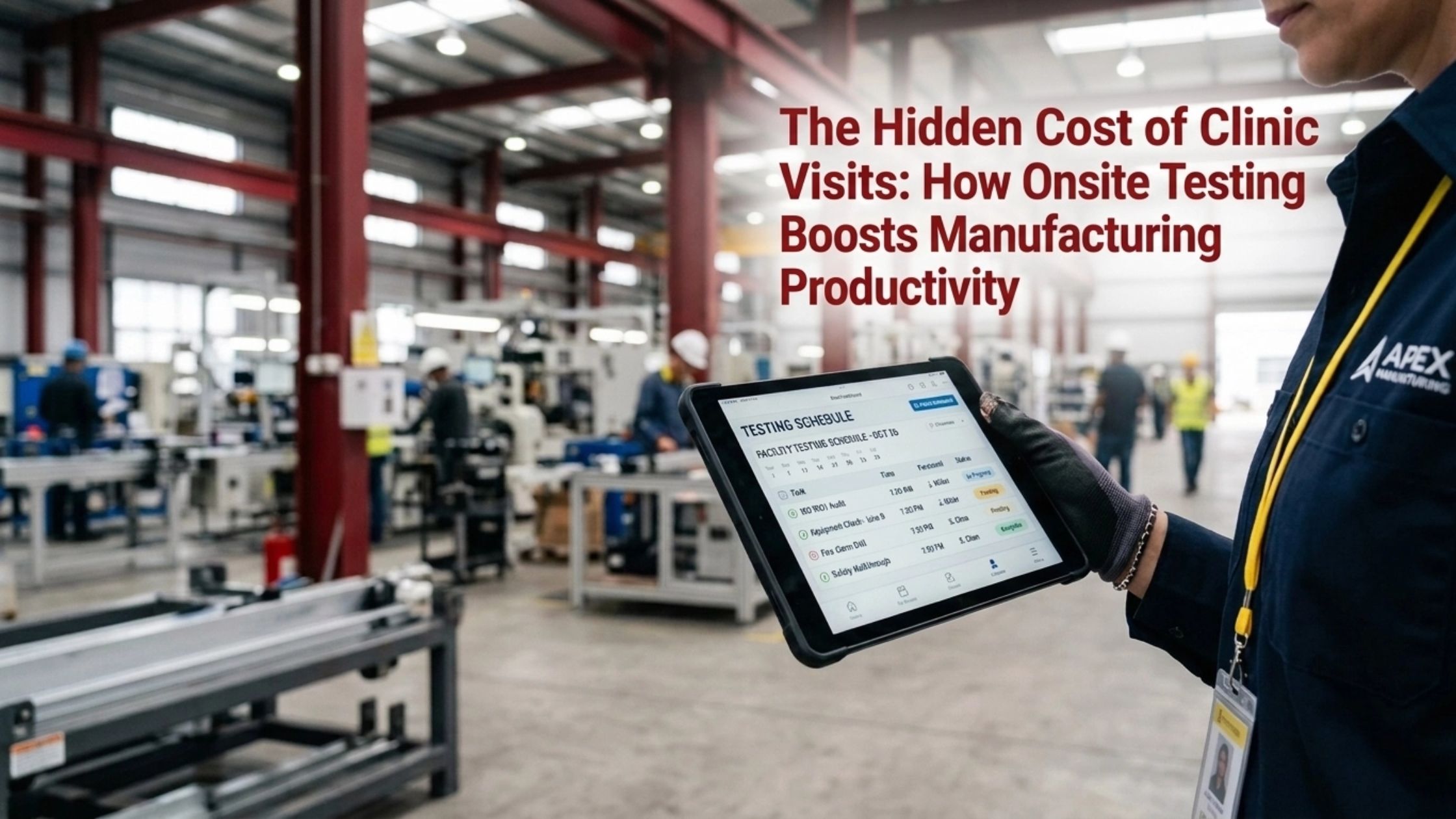
In the contemporary industrial landscape, the preservation of operational integrity is not merely a logistical objective; it is a strategic imperative. For manufacturing and warehousing enterprises, the pursuit of efficiency often centers on lean methodologies and technological integration. However, one significant variable frequently eludes the scrutiny of cost-benefit analysis: the traditional model of offsite employee drug and alcohol testing.
While the direct invoice for a laboratory collection may appear negligible, the peripheral costs: characterized by productivity stagnation, administrative burden, and elevated risk profiles: reveal a starkly different reality. To maintain a competitive posture in 2026, organizations must pivot toward methodologies that prioritize onsite specimen collection. This exploration examines the fiscal and operational advantages of scheduled onsite testing and demonstrates how a technology-driven approach to workplace safety safeguards the bottom line.
The Quantitative Reality: Assessing Fiscal Leakage in Offsite Testing
The traditional paradigm of drug testing requires an employee to depart their workstation, travel to a third-party clinic, undergo the collection process, and return to the facility. Within a manufacturing or high-volume distribution environment, this "simple errand" represents a profound disruption.
1. The Multiplier Effect of Downtime
When an individual is removed from an assembly line or a fulfillment station, the loss is rarely limited to their specific labor hours. In highly integrated manufacturing environments, the absence of a single operator can necessitate a complete halt of a production run or require a supervisor to reorganize an entire shift’s workflow. Research indicates that the cumulative labor costs of employee downtime, combined with the administrative time required for supervisors to coordinate these excursions, can inflate the total cost of a single test by as much as 400% compared to the initial clinic fee.
2. Escalated Risk and Liability Exposure
Beyond direct labor costs, offsite testing introduces a significant liability vacuum. If an employee is sent to a clinic under "reasonable suspicion" or following a workplace incident, allowing them to operate a motor vehicle to reach an offsite facility constitutes a grave departure from safety protocols. Should an accident occur during transit, the organization may face substantial legal repercussions and claims of negligence. Consequently, the transition to onsite collection is not only a matter of productivity but a critical component of risk mitigation.
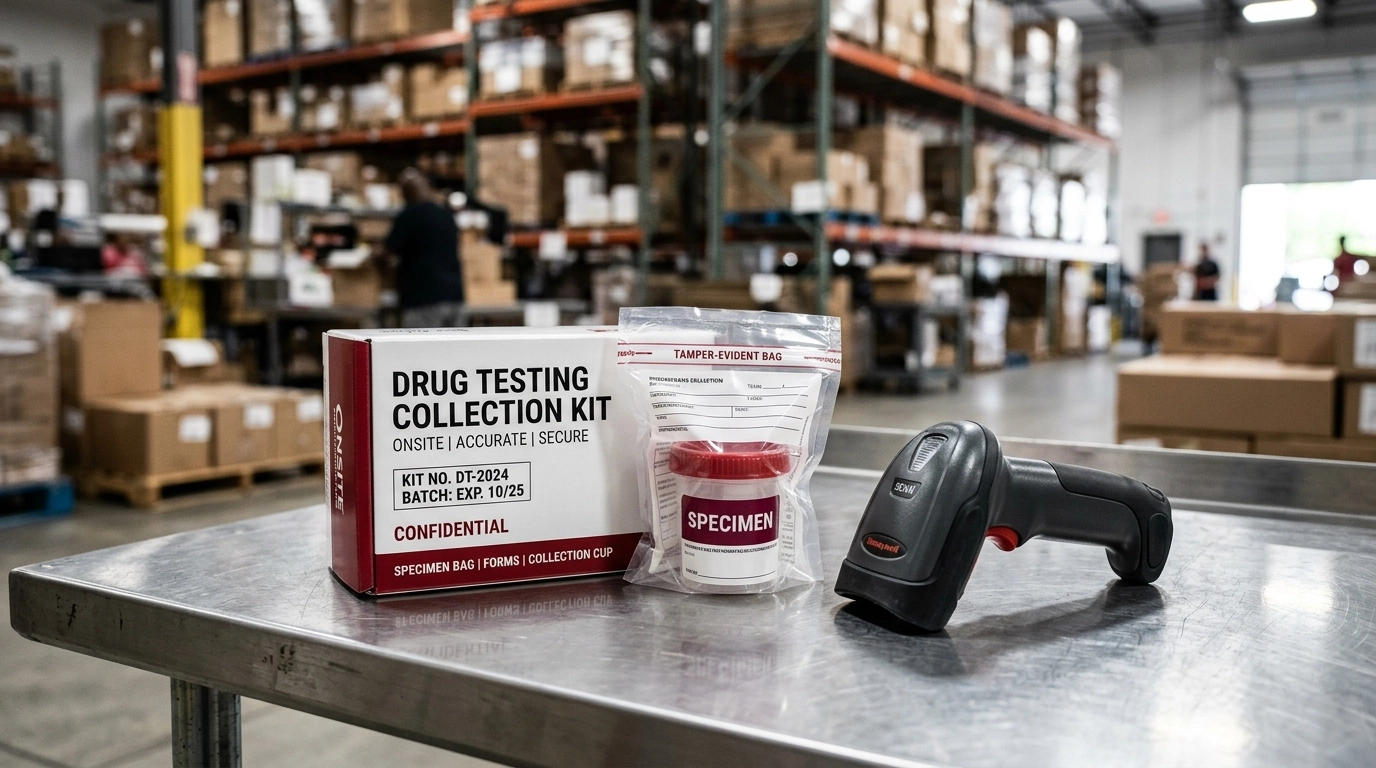
Strategic Alignment with Regulatory Frameworks: OSHA and Beyond
Compliance is a non-negotiable pillar of industrial operations. While the Occupational Safety and Health Administration (OSHA) does not mandate drug testing for all private employers, its "General Duty Clause" requires businesses to provide a workplace "free from recognized hazards that are causing or are likely to cause death or serious physical harm."
> "The General Duty Clause, Section 5(a)(1) of the OSH Act, serves as a foundational requirement for manufacturing leaders to implement rigorous safety protocols: including effective drug and alcohol screening: to prevent impairment-related accidents."
In the context of the warehousing sector, where heavy machinery such as forklifts and automated conveyor systems are ubiquitous, the implementation of a robust testing program is a primary defense against workplace fatalities. Onsite testing ensures that these protocols are executed with precision, eliminating the "window of opportunity" for specimen tampering or metabolic dissipation that can occur during the delay of offsite travel.
The "Green Factors" and Individualized Assessment in Industrial Testing
While the "Green Factors" (originating from Green v. Missouri Pacific Railroad) are traditionally applied to the evaluation of criminal records in hiring, their underlying principle: ensuring that employment decisions are job-related and consistent with business necessity: is equally relevant to drug testing policies.
For a warehouse manager, an individualized assessment of safety-sensitive roles is crucial. When an organization utilizes mobile drug testing services, they are better positioned to apply testing protocols that are directly proportional to the risk level of the position. This methodical approach ensures that the program upholds the principles of Title VII of the Civil Rights Act, mitigating the risk of disparate impact while prioritizing the safety of the collective workforce.
Operational Excellence through Scheduled Onsite Testing
The introduction of scheduled onsite testing transforms drug testing from a disruptive event into a streamlined operational process. By integrating professional specimen collectors directly into the facility environment, manufacturing plants can maintain their production cadence without compromise.
Efficiency Benchmarks: A Comparative Overview
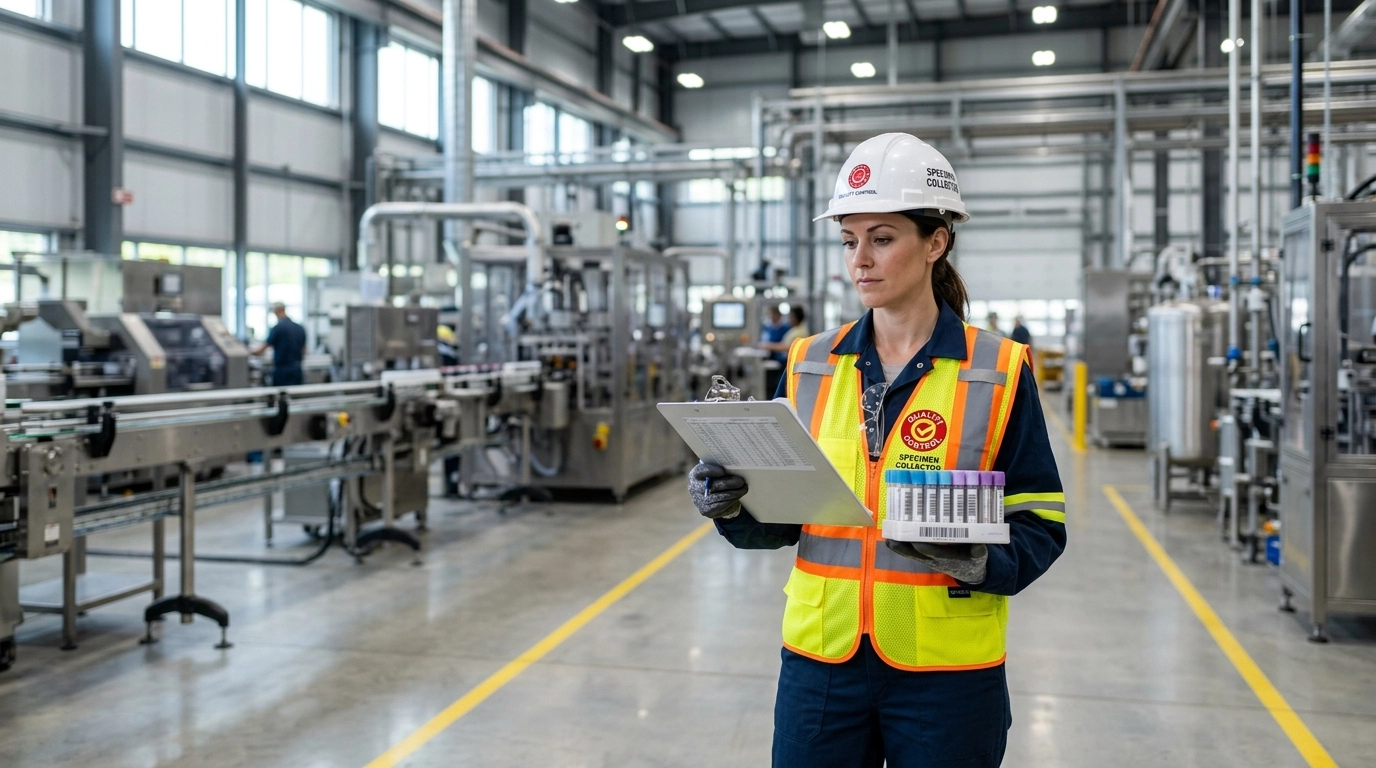
Enhancing Safety and Reliability in Remote Environments
Manufacturing and utility operations often exist in geographically isolated areas or operate during unconventional shifts (e.g., graveyard rotations). In these scenarios, the logistical burden of finding an open, accessible clinic is insurmountable.=
Moreover, for post-accident scenarios, the temporal element is of paramount importance. In many regulatory frameworks, including DOT-regulated environments, the window for alcohol testing is significantly narrower than for drug testing. A delay of even two hours can compromise the validity of the results. Onsite collection, particularly when facilitated by a nationwide network of responders, ensures that verification occurs immediately, upholding the operational integrity of the safety investigation.
Methodology: Implementing a Seamless Transition
Transitioning to a modern onsite testing model requires a systematic approach to policy update and vendor selection. Organizations must evaluate potential partners based on their technological capabilities and their adherence to certified collection standards.
Policy Calibration: Review internal drug-free workplace policies to include provisions for mobile and onsite collection. Ensure that "reasonable suspicion" training is provided to all supervisors to facilitate immediate action.
Technological Integration: Utilize platforms that offer on-demand connectivity. In an era where manufacturing is increasingly driven by IoT and data, the drug testing process should not be relegated to paper-based, analog systems.
Logistical Planning for Scheduled Testing: For random or pre-employment testing, coordinating a single day for onsite collection can address multiple requirements simultaneously, further driving down the cost per test through economies of scale.
Conclusion: Securing the Industrial Future
The evolution of the manufacturing and warehousing industries demands a concomitant evolution in safety and HR methodologies. The hidden costs of clinic visits: the lost man-hours, the administrative friction, and the inherent risks of offsite transit: are no longer acceptable in a competitive market.
At READI Collect, we provide the strategic infrastructure required to eliminate these inefficiencies. Our patented technology and nationwide network of certified collectors empower your organization to conduct fast and reliable onsite drug and alcohol test collections exactly when and where they are needed. Whether you require a scheduled event for a distribution center or an immediate on-demand response following a safety incident, our platform serves as the one-stop shop for your testing needs.
By prioritizing onsite methodology, manufacturing leaders do more than save time; they uphold a standard of excellence, protect their personnel, and ensure the continued productivity of the American industrial engine.
For organizations seeking to optimize their safety protocols and mitigate the financial impact of employee downtime, we invite you to explore our incident pricing models and experience the future of onsite specimen collection.