The READI Collect Blog
Understanding Kratom Under the Spotlight - Insights from Recent Research
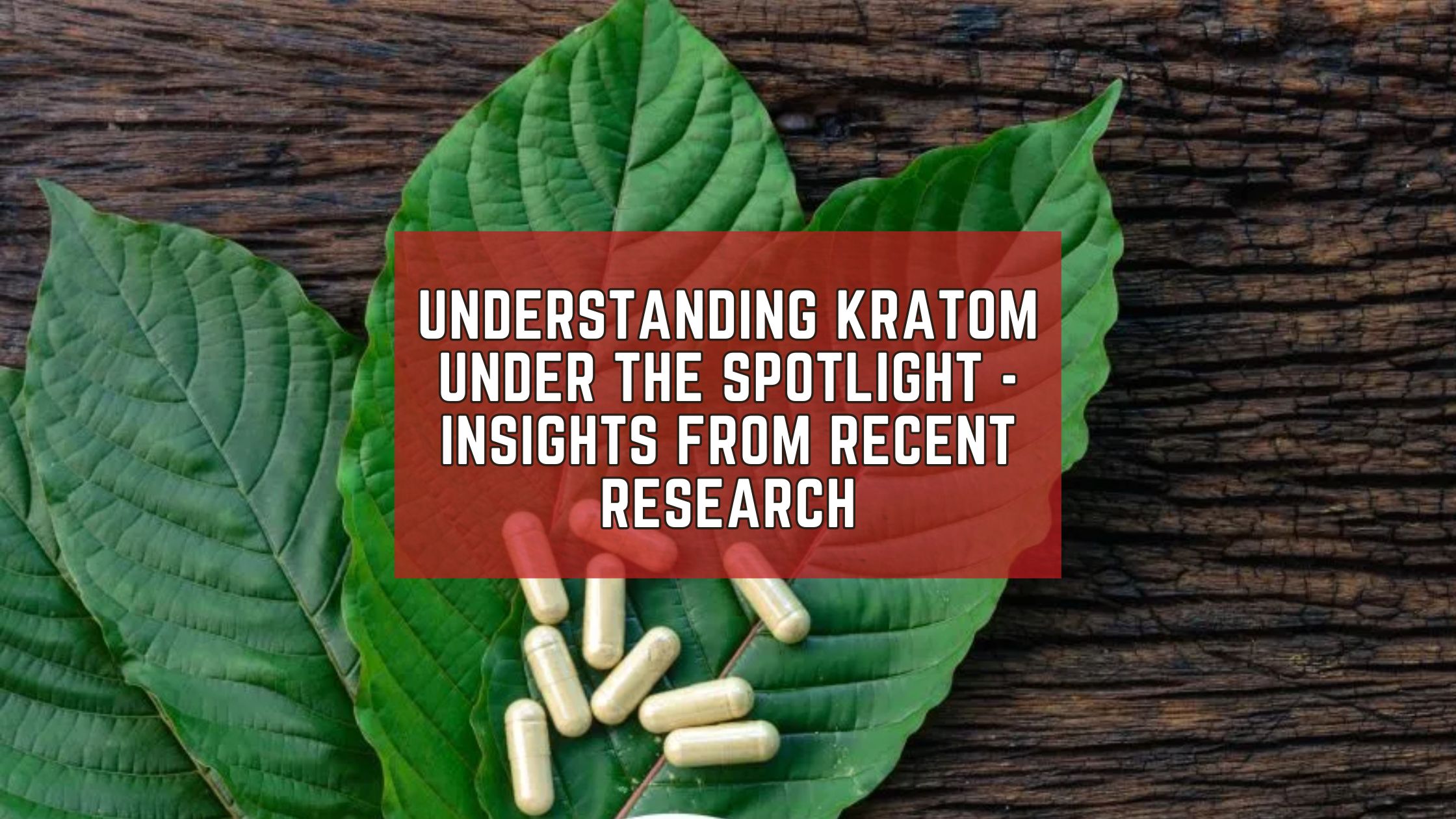
This article examines what recent research actually says about its pharmacology, potential benefits, and risks.
Did you know that Kratom now appears in more than 1,500 academic papers, yet its public reputation remains sharply divided? This article examines what recent research actually says about its pharmacology, potential benefits, and risks. You’ll learn how study quality varies, what consistent findings are emerging, and where uncertainties still lie. By the end, you’ll be equipped to interpret headlines and make informed decisions about Kratom.
Understanding the Recent FDA Alerts
You might be curious about the recent alerts issued by the Food and Drug Administration (FDA) and various state governments regarding the herbal supplement kratom. This substance has garnered significant attention due to its ambiguous legal status and potent physiological effects. Regulatory bodies are increasingly concerned about its safety profile and potential for abuse.
Kratom is sold in multiple forms across the United States, making it highly accessible to consumers. It can be found as capsules, loose powders, teas, and concentrated liquid shots. These products are often marketed as natural remedies or energy boosters, obscuring their pharmacological reality.
Common street names and marketing terms for kratom include Thang, Krypton, Kakuam, Thom, and Ketum. It is also known regionally as Biak-Biak (its familiar name in Thailand) or simply by its botanical name, Mitragyna speciosa. In some circles, it is referred to as Cratom or Gratom, though these spellings are less common.
Accessibility in the US Market
In the United States, kratom is widely available over-the-counter (OTC) in many jurisdictions. It is a staple product in smoke shops, vape stores, and even some gas stations. This widespread availability contributes to the perception that it is a benign herbal supplement.
Online retailers also play a massive role in the distribution of kratom products. A quick internet search reveals hundreds of vendors shipping directly to consumers' doorsteps. This unregulated marketplace makes it difficult to track the volume of sales or the quality of the product.
However, this accessibility is becoming increasingly patchy as local and state laws evolve. Truck stops across the country may sell it in one county but face bans in the next. This creates a confusing legal landscape for truck drivers and travelers.
What is Kratom?
Kratom is derived from the leaves of a tropical evergreen tree native to Southeast Asia, scientifically known as Mitragyna speciosa. It is part of the coffee family (Rubiaceae), which explains some of its stimulating properties. The leaves have been used for centuries in traditional medicine in countries like Thailand, Malaysia, and Indonesia.
The leaves are typically dried and finely ground into a green powder for medicinal applications. This powder can be swallowed directly, brewed into a tea, or encapsulated. In its native regions, manual laborers would often chew the fresh leaves to combat fatigue during long workdays.
Its modern uses encompass a range of conditions, often self-diagnosed by users seeking alternatives to pharmaceuticals. These include but are not limited to pain relief, alleviation of coughs, and relief from diarrhea. Many users also turn to it for the management of anxiety and depression.
Stimulant vs. Sedative Effects
The body’s response to kratom varies significantly depending on the dosage consumed. It produces effects that can be either stimulating or sedative, a dual nature that is unique among psychoactive substances. This dose-dependent action is due to the complex interaction of its alkaloids.
At lower doses, users typically experience effects similar to a strong cup of coffee. This includes increased alertness, enhanced physical energy, and a boost in motivation. Many users also report increased sociability and talkativeness, making it a popular social lubricant.
However, higher doses lead to central nervous system (CNS) depressant effects. At these levels, the experience shifts toward sedation, pain relief, and euphoria, resembling the effects of opioids. This sedative property is what draws many chronic pain sufferers to the plant.
Interaction with Opioid Receptors
Kratom contains two primary active alkaloids: mitragynine and 7-hydroxymitragynine. These compounds interact with the brain's opioid receptors, specifically the mu-opioid receptor. This interaction is responsible for the pain-relieving and euphoric effects.
Although kratom is not structurally an opiate, it functions similarly in the brain. This mechanism is why it effectively suppresses pain signals and elevates mood. It is also the reason why it carries a risk of dependence similar to traditional opioids.
Because of this interaction, many individuals use kratom as an assistance tool in opioid withdrawal. They use it to mitigate the harsh symptoms of quitting heroin or prescription painkillers. However, this often leads to simply trading one dependency for another.
Common Side Effects
Kratom can induce several side effects that range from mild annoyances to debilitating issues. The most frequently reported effect is nausea, often referred to as "the wobbles" by users. This is frequently accompanied by vomiting if the dose is too high.
Other common physical reactions include excessive sweating, dry mouth, and increased urination. Users may also experience a significant loss of appetite, leading to unintended weight loss. Itching is another common complaint, likely due to histamine release similar to opioids.
Constipation is a prevalent issue for daily users, mirroring the effects of prescription painkillers. Dizziness and confusion can also occur, particularly when mixing strains or taking high doses. These cognitive impairments can make driving or operating machinery dangerous.
Severe Adverse Reactions
More severe adverse effects have been documented in medical literature and poison control center reports. Hypothyroidism has been observed in some chronic users, impacting their metabolism and energy levels. Liver damage is a rare but serious risk, presenting as jaundice and dark urine.
Muscle and bone aches are often reported during the comedown or inter-dose withdrawal periods. Some users experience uncontrolled limb movements or "jerks" while trying to sleep. These neurological symptoms suggest a deeper impact on the nervous system.
There is also a risk of seizures, particularly when kratom is combined with other substances. This risk is elevated in individuals with pre-existing conditions or those taking high doses of potent extracts. Seizures require immediate medical attention and can be life-threatening.
Mental Health Implications
Chronic consumption of kratom can lead to severe psychiatric symptoms in susceptible individuals. Psychosis with hallucinations has been reported in heavy, long-term users. These episodes can be terrifying and may require hospitalization to stabilize.
Delusions and confusion are also potential consequences of abuse. Users may lose touch with reality or experience extreme paranoia. This mental instability often strains relationships and employment.
Long-term use can paradoxically worsen the anxiety and depression it was intended to treat. As the brain adapts to the constant chemical input, natural mood regulation suffers. This creates a cycle where the user needs kratom just to feel "normal."
Cardiovascular and Systemic Risks
Rapid heart rate (tachycardia) is a common cardiovascular side effect, especially with stimulating strains. This places extra stress on the heart and can be dangerous for those with underlying heart conditions. High blood pressure (hypertension) is also frequently observed.
Conversely, some users experience low blood pressure (hypotension) during the sedative phase. This can lead to fainting spells or extreme dizziness upon standing. The fluctuation between high and low blood pressure is taxing on the cardiovascular system.
Tremors or shaking hands are often signs of CNS overstimulation. Anorexia and significant weight loss can occur due to the appetite-suppressing nature of the plant. Long-term malnutrition can lead to a host of secondary health problems.
The Reality of Addiction
Additionally, kratom poses a genuine risk of addiction, activating the same brain receptors as other addictive substances. It is not a "free ride" simply because it is a plant. The dependency can develop quickly, especially with the use of concentrated extracts.
When not present in the system, individuals may experience withdrawal symptoms as their brains seek the substance. The brain downregulates its natural opioid production in response to chronic kratom use. This creates a physical need for the external source to maintain balance.
Psychological dependence is also a major factor. Users may feel they cannot function socially or professionally without their daily dose. Breaking this psychological reliance is often harder than the physical detox.
Navigating Withdrawal
Withdrawal symptoms can mimic those associated with narcotics and can be surprisingly intense. Physical symptoms typically include muscle aches, runny nose, and digestive distress. The experience is often described as a severe flu combined with restless leg syndrome.
Digestive issues, including nausea and diarrhea, are the body's way of rebounding from chronic constipation. Headaches and extreme fatigue make daily tasks feel impossible. A profound sense of lethargy can keep users bedridden for days.
Psychological symptoms include severe anxiety, irritability, and insomnia. The inability to sleep due to restless limbs is often cited as the worst part of withdrawal. This sleep deprivation exacerbates the emotional instability.
Duration of Withdrawal
These symptoms can persist for up to a week for most average users. The acute phase usually peaks around day two or three. However, the timeline varies based on metabolism and usage history.
For heavy users, especially those using extracts, symptoms can last for several weeks. The acute physical phase may subside, but the mental fog can linger. This creates a high risk of relapse during the first month.
Post-Acute Withdrawal Syndrome (PAWS) can affect users for months after quitting. This involves waves of depression and anxiety that come and go. It requires patience and support to navigate successfully.
Overdose Incidents and Data
There have been documented cases of kratom-related overdoses, as reported by the Centers for Disease Control (CDC). While rare for raw leaf powder, deaths have occurred. These fatalities are often complex and involve multiple factors.
Most fatalities were linked to kratom use in conjunction with other substances. Mixing kratom with prescription opioids, benzodiazepines, or alcohol significantly amplifies the respiratory depression risk. This "poly-substance" use is the primary driver of kratom-related mortality.
Over-the-counter medications such as loperamide (Imodium) have also been implicated in deaths. Users sometimes combine high doses of loperamide with kratom to boost the high. This combination is cardiotoxic and extremely dangerous.
Lack of Scientific Research
It’s important to note that there is a distinct lack of rigorous scientific research on the effects of kratom. Clinical trials on humans are virtually non-existent in the West. Most data comes from case reports and anecdotal evidence.
Specifically, the effects of kratom when combined with other recreational or prescription medications are largely unknown. Users are essentially acting as their own guinea pigs. Interactions with antidepressants or blood pressure meds are theoretical but potentially risky.The long-term effects on the liver and kidneys are also not well understood. We do not have multi-year studies tracking the health of daily users. This scientific gap makes it difficult for doctors to advise patients.
Contamination Risks
The online purchase of kratom carries inherent risks beyond the plant itself. The market is unregulated, meaning no one is checking the hygiene of the processing facilities. Leaves are often dried on the ground, exposed to animals and dirt.
Illicit manufacturers may contaminate their products with harmful substances to increase weight or potency. Heavy metals like lead and nickel have been found in numerous samples. Salmonella and E. coli outbreaks have also been traced back to kratom.
Some products have even been found laced with synthetic opioids or other drugs. This turns a mild herbal supplement into a deadly cocktail. Buying from unverified sources is a gamble with your health.
Federal Regulatory Stance
The FDA has not approved any kratom-containing products for sale or use in the United States. They maintain that there is no accepted medical use for kratom. Consequently, they cannot legally market it as a drug or dietary supplement.
The agency is actively warning the public about its potential dangers via safety alerts. They emphasize that no scientific evidence supports its medicinal claims for pain or anxiety. They view it primarily as a safety hazard.
The FDA has previously attempted to schedule kratom as a controlled substance federally. Public outcry and political pressure have stalled these efforts so far. However, the agency remains hostile toward the industry.
Global Legal Status
Globally, kratom is prohibited or restricted in several countries. Australia, Denmark, Poland, and Vietnam have strict bans in place. In these regions, it is treated similarly to heroin or cocaine.
Certain Asian nations impose severe penalties for possession, despite the plant being native there. Thailand had a long-standing ban but recently decriminalized it for medical and traditional use. Malaysia still enforces strict prohibition.
The U.S. appears poised to implement similar measures if safety concerns continue to rise. The patchwork of international laws makes traveling with kratom risky. Ignorance of local laws can lead to imprisonment abroad.
Targeting 7-Hydroxymitragynine
In late July 2025, the FDA announced plans to classify specific kratom products containing 7-hydroxymitragynine (7-OH) under the Controlled Substances Act. This specific alkaloid is far more potent than the primary alkaloid, mitragynine. It is the component most responsible for the opioid-like effects.
This move targets the highly concentrated extracts that have flooded the market. These products artificially elevate 7-OH levels far beyond what is found in nature. The FDA views these "super-extracts" as distinct from the natural leaf.
This targeted scheduling would effectively ban the most dangerous products while potentially leaving raw leaf legal. It is a surgical approach to regulation. However, enforcing the distinction will be analytically challenging.
FDA Commissioner's Warning
FDA Commissioner Dr. Marty Makary stated, “Vape stores are emerging in neighborhoods across America, many selling addictive products like concentrated 7-OH.” This highlights the agency's concern with the retail proliferation of these potent products. Accessibility to minors is a major point of contention.
He emphasized, “After the recent opioid epidemic, we must not be caught unprepared again.” The FDA is viewing kratom through the lens of the opioid crisis. They are determined to prevent another wave of addiction.
She added, “7-OH is an opioid potentially more powerful than morphine, necessitating regulation and education to avert another crisis.” This comparison to morphine underscores the severity of the agency's stance. They are positioning 7-OH as a hard drug.
Seizing Contaminated Products
The FDA has begun seizing contaminated dietary supplements containing kratom to protect the public. These seizures often target companies making illegal medical claims or selling adulterated goods. It is a game of whack-a-mole with fly-by-night vendors.
Some known brands involved in these actions include The Devil’s Kratom and Terra Kratom. Sembuh and Bio Botanical have also faced scrutiny for their product quality. El Diablo is another brand flagged for potential safety violations.
These enforcement actions serve as a warning to the industry. Companies skirting the rules face financial ruin and legal action. Consumers should avoid these flagged brands at all costs.
State-Level Bans: The "Schedule 1" States
As of now, seven states have enacted bans on kratom and its psychoactive components. Alabama classified kratom as a Schedule 1 controlled substance in May 2016. Possession there is a felony offense with significant jail time.
Arkansas made kratom a Schedule 1 controlled substance in 2016. The state treats it with the same severity as heroin. Travelers driving through Arkansas have been arrested for possession.
Indiana deemed kratom a synthetic controlled substance, prohibiting its sale, use, and possession. This definition is controversial but legally binding. The state remains a "no-go" zone for kratom users.
Recent State Bans
Louisiana implemented a kratom ban effective August 1, 2025. It is now listed as a Schedule 1 controlled substance throughout the state. This recent change caught many residents and vendors by surprise.
Rhode Island initially banned kratom but passed legislation in July 2025 to reverse the ban. New regulations are expected by April 2026 to create a legal market. This shows that bans are not always permanent.
Vermont has listed kratom as a controlled substance for years. Wisconsin also classified kratom as an illegal substance, designating it as Schedule 1. In these states, there is no legal avenue to purchase or possess it.
Local Municipal Bans
Additionally, various municipalities have enacted local bans on kratom, creating "dry counties." San Diego and Oceanside in California have local ordinances prohibiting sales. This creates confusion in a state where it is generally legal.
Denver, Colorado prohibits the sale of kratom for human consumption. Sarasota County, Florida is famous for its strict ban despite kratom being popular in the rest of Florida. Jerseyville, Illinois also restricts the substance.
Over 30 jurisdictions in Mississippi have banned kratom locally. This makes Mississippi one of the most difficult states to navigate for users. You can cross a street and legally become a criminal.
The "Kratom Consumer Protection Act"
Other states are opting for regulatory measures rather than outright bans. This approach is often championed by the American Kratom Association. It involves passing the "Kratom Consumer Protection Act" (KCPA).
These states implement regulations such as age restrictions, usually 18 or 21. They require strict labeling of alkaloid content and ingredients. This empowers consumers to know exactly what they are taking.
Testing for contaminants and concentration levels is also mandatory in KCPA states. This forces vendors to ensure their products are free of lead and salmonella. It creates a safer, legitimate market for the product.
Conclusion: Kratom and Workplace Safety
The regulatory landscape for kratom is volatile and likely to become stricter. For employers, especially in safety-sensitive industries, kratom presents a unique challenge. Standard drug panels do not detect it, yet it can cause significant impairment.
As the FDA moves to schedule 7-OH and states tighten their laws, awareness is your best defense. Updating drug-free workplace policies to explicitly address kratom is a prudent step. Education is key to preventing accidents and liability.
Ultimately, the debate over kratom highlights the tension between natural remedies and public safety. Until federal law settles the issue, caution is the only rational approach. Stay informed, stay safe, and ensure your team understands the risks.
Detect Hidden Impairment with Readi Collect
Beyond Standard Panels
Kratom usage is rising, and standard 5-panel drug tests will miss it entirely. If you are concerned about workforce impairment from "legal" highs like Kratom or 7-OH, you need a testing partner who understands the modern drug landscape. Readi Collect is your solution for comprehensive safety testing.
Modern Testing for Modern Risks
We offer expanded testing panels that can detect specialty substances like Kratom, ensuring no stone is left unturned in your safety investigation. Whether you need a specific add-on for a reasonable suspicion test or a broader pre-employment screen, Readi Collect has the capability.
Immediate Response
Don't let a "gray area" substance compromise your safety rating. Our mobile collectors are available 24/7 to conduct testing at your facility or crash scene. We bring the expertise needed to document and deter impairment in all its forms.
Reach out to us here to upgrade your testing protocols today.