Why On-Demand Collections Will Change the Way You Handle Onsite Drug Testing
April 13, 2026 · RC Team
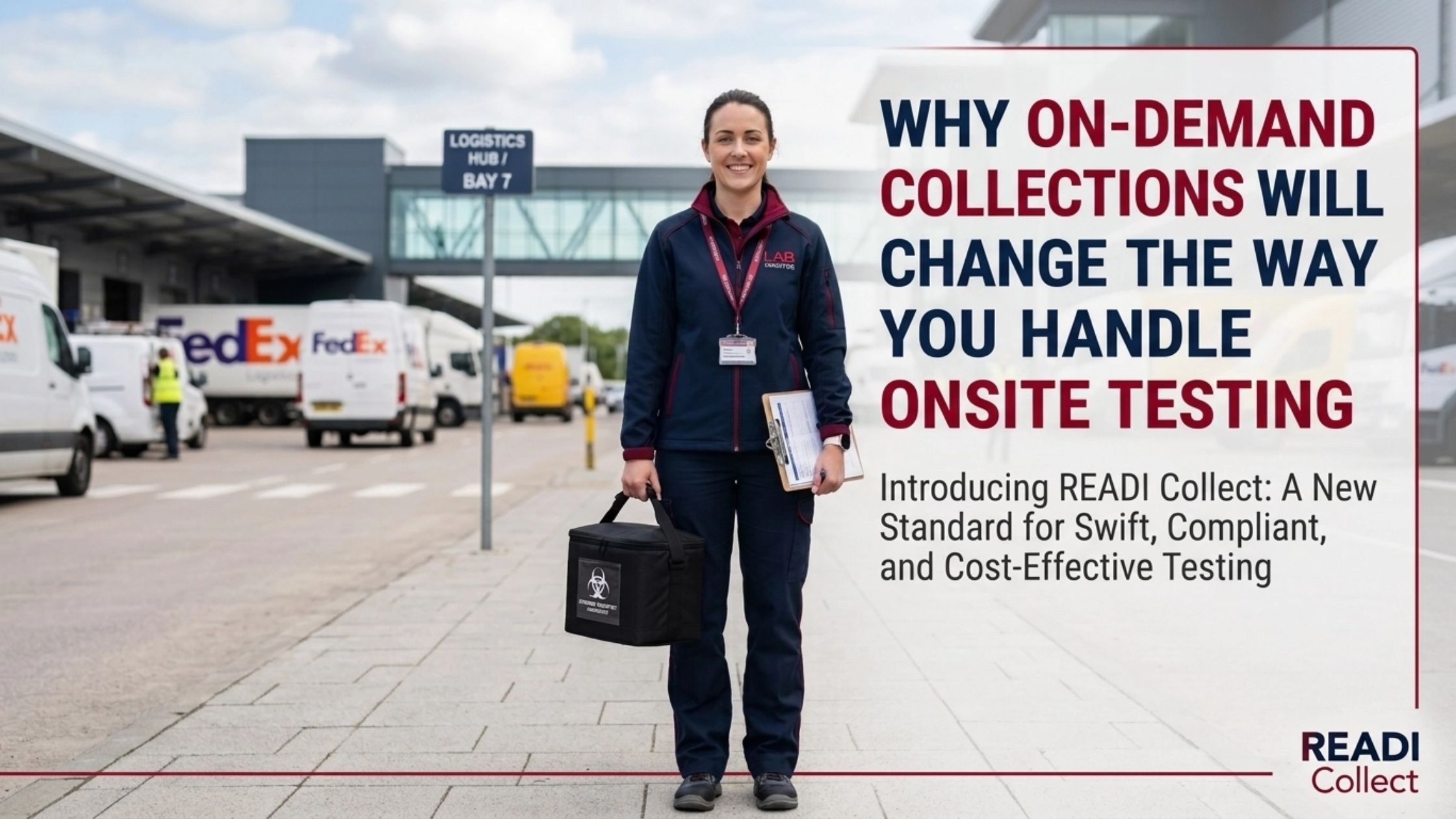
The landscape of corporate risk management and workforce safety is undergoing a fundamental transformation. In an era characterized by rapid technological advancement and increasingly stringent regulatory oversight, the methodologies employed for drug and alcohol testing must evolve beyond antiquated, clinic-centric models. For safety-sensitive industries, including transportation, construction, manufacturing, and energy, the ability to execute immediate, onsite specimen collection is no longer merely a convenience; it is a strategic imperative.
Historically, organizations have relied upon off-site medical facilities for employee screening. However, this traditional approach introduces significant operational friction, compromises the chain of custody, and heightens legal exposure. Consequently, the advent of "On-Demand Collections" powered by mobile technology represents a paradigm shift in how enterprises maintain operational integrity and safeguard their most valuable assets: their people.
The Inherent Inefficiencies of the Legacy Clinic Model
The reliance on brick-and-mortar clinics for drug and alcohol testing presents a series of systemic challenges that can undermine a firm’s safety objectives. When an incident occurs, whether a post-accident scenario in a trucking fleet or a reasonable suspicion event on a construction site, every minute of delay increases risk.
The Cost of Downtime: Transporting an employee to a clinic, waiting for a technician, and returning to the worksite can consume three to five hours of productive labor. In a high-volume manufacturing environment or a tight-deadline construction project, these lost man-hours translate into substantial financial deficits.
Chain of Custody Risks: The period between the incident and the actual collection is a critical window of vulnerability. Off-site travel provides opportunities for specimen adulteration or the use of masking agents. By bringing the collector to the donor, rather than the donor to the clinic, the integrity of the process is significantly enhanced.
Public Liability and Safety: Requiring a potentially impaired employee to travel, even if escorted, to an external facility introduces unnecessary liability. If an individual is suspected of being under the influence, the safest and most legally sound course of action is to contain the situation onsite.
Furthermore, the administrative burden of coordinating with multiple clinics across different regions often leads to fragmented data and inconsistent compliance standards.
Technological Convergence: The Power of On-Demand Mobility
Modern risk mitigation requires a 21st-century technological framework. The integration of mobile application technology with a nationwide network of certified collectors allows safety managers to bridge the gap between an incident and a resolution with unprecedented speed.
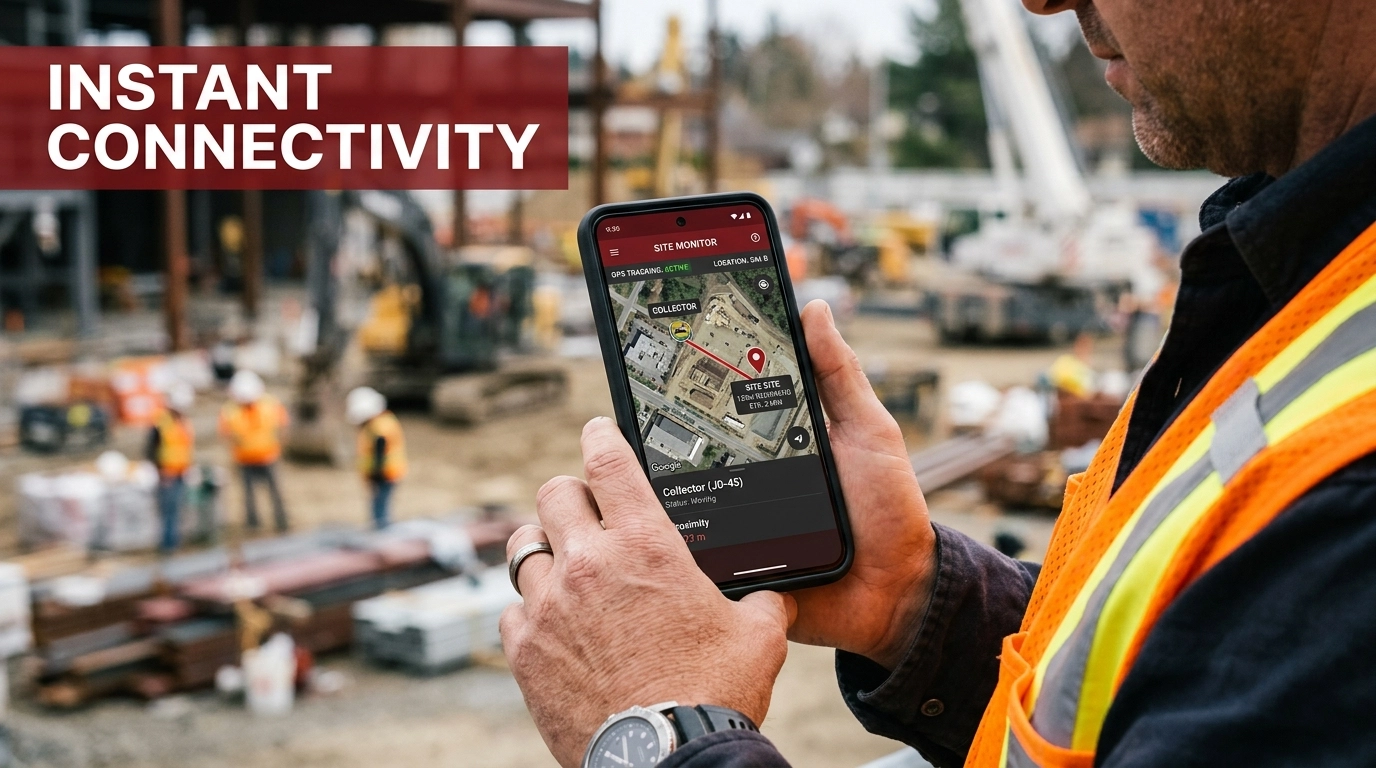
The READI Collect mobile application functions as a sophisticated dispatching engine. When an urgent testing need arises, the user can initiate a request that instantly connects them with a professional onsite specimen collector. This technology utilizes real-time GPS tracking and patented dispatch logic to ensure that the nearest qualified responder is deployed immediately.
This level of precision is particularly critical for Department of Transportation (DOT) regulated industries. For instance, the Federal Motor Carrier Safety Administration (FMCSA) mandates strict timelines for post-accident testing. Failure to secure an alcohol test within two hours, or a drug test within 32 hours, necessitates the creation of a formal record explaining the delay. Utilizing an on-demand onsite service effectively mitigates the risk of failing to meet these federal benchmarks.
> "The shift toward onsite, on-demand testing is a reflection of a broader corporate trend toward 'just-in-time' logistics and decentralized safety management. It provides the immediacy required for modern compliance."
Mitigating Legal Risk and Ensuring Regulatory Adherence
Beyond operational efficiency, the adoption of on-demand onsite testing serves as a robust defense against legal challenges. In the context of employment law, the "Green Factors", which originated from the landmark Green v. Missouri Pacific Railroad case, emphasize the importance of ensuring that employment practices are job-related and consistent with business necessity. When drug testing is applied as a safety protocol, the methodology must be uniform, objective, and defensible.
By utilizing a centralized platform for onsite collections, organizations ensure that every test is performed by a highly trained and certified professional who adheres to standard operating procedures. This uniformity is essential for defending against claims of disparate impact or discriminatory testing practices.
Moreover, onsite testing allows for the immediate execution of "Reasonable Suspicion" protocols. When a supervisor identifies observable signs of impairment, the ability to summon a collector to the site within minutes ensures that the evidence is captured while the impairment is active. This immediate verification is vital for upholding the safety standards of the organization and complying with OSHA’s General Duty Clause, which requires employers to provide a workplace free from recognized hazards.
Operational Integrity Across Diverse Industries
While the transportation sector is often the focus of testing discussions, the benefits of on-demand collections extend to all safety-sensitive environments.
Manufacturing and Warehousing
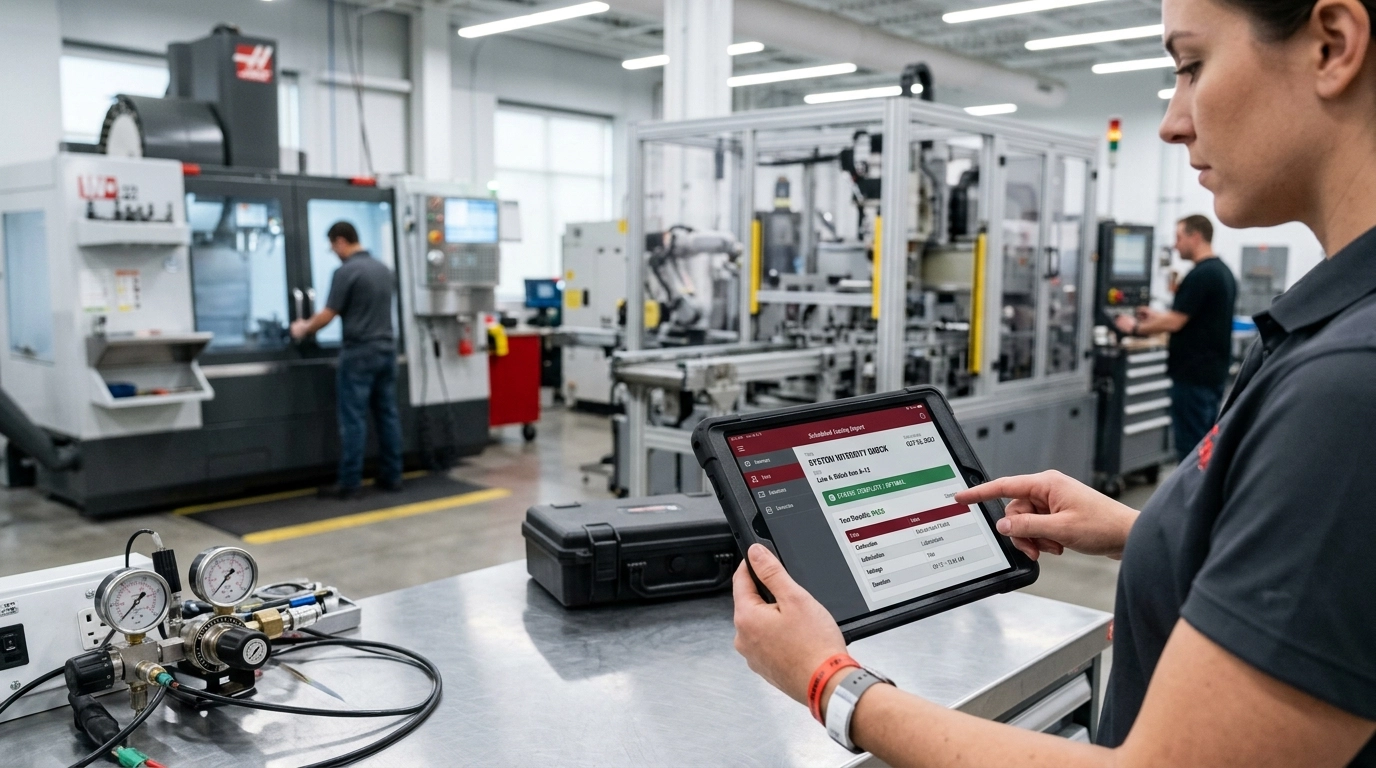
In large-scale distribution centers and manufacturing plants, the movement of heavy machinery and hazardous materials requires constant vigilance. Onsite testing minimizes the disruption of assembly lines. Instead of sending five employees to a clinic for random testing, effectively shutting down a shift, a collector can visit the facility and process all five individuals in less than an hour, allowing the plant to maintain its production schedule.
Construction and Infrastructure
Construction sites are often located in remote or temporary locations where access to nearby clinics is limited. Scheduled onsite testing or on-demand response ensures that even the most geographically isolated projects remain compliant with safety mandates. This is especially relevant for contractors working on federal projects where adherence to the Drug-Free Workplace Act is a contractual requirement.
Energy and Utilities
For the oil and gas industry, where operations often occur 24/7 in high-risk environments, the availability of a nationwide network of responders is indispensable. The ability to provide onsite services at a drilling rig or a power plant ensures that safety is prioritized without the logistical nightmare of transporting personnel over long distances.
The Strategic Value of Nationwide Coverage
A significant barrier to implementing onsite testing in the past was the lack of reliable, nationwide service providers. Many companies were forced to manage a "patchwork" of local collectors, resulting in varying levels of quality and reporting.
READI Collect addresses this challenge through its comprehensive, nationwide network. By serving as a "one-stop shop" for onsite testing, we provide a unified resource for fleet managers and HR departments. This centralized approach ensures that whether an incident occurs in a major metropolitan hub or a rural interstate, the response will be professional, timely, and compliant.

Implementing a Comprehensive Testing Strategy
To successfully transition from a clinic-based model to an on-demand onsite model, organizations should adopt a methodical approach:
Audit Existing Protocols: Evaluate current drug and alcohol testing policies to ensure they explicitly permit onsite and mobile collection.
Integrate Technology: Deploy the READI Collect app across safety management teams to ensure that decision-makers have the tools necessary for immediate action.
Establish Scheduled Baselines: Utilize Scheduled Onsite Testing for routine requirements, such as random testing pools or pre-employment screenings for large hiring cohorts.
Train Supervisors: Educate management personnel on the signs of impairment and the procedural steps for initiating an on-demand collection request.
Monitor Compliance: Leverage the digital reporting and tracking features of the platform to maintain a clear audit trail for regulatory bodies such as the DOT or EEOC.
Conclusion: The Future of Workforce Protection
Ultimately, the goal of any drug and alcohol testing program is to foster a culture of safety and accountability. The transition to on-demand onsite collections is not merely a change in logistics; it is an investment in the operational resilience of the organization. By eliminating the delays and risks associated with off-site clinics, businesses can respond to incidents with the speed and precision that the 21st-century workplace demands.
At READI Collect, we are committed to providing the technology and the professional expertise required to uphold these high standards. Our patented technology and nationwide network of certified collectors are designed to give you peace of mind, knowing that when safety is on the line, the solution is only a touch away.
For more information on how to integrate these advanced services into your safety protocols, please visit our About Us page or Contact Our Team for a comprehensive consultation. Together, we can ensure that your workplace remains safe, compliant, and productive.